Title: The 20KW Fiber Laser Frontier: Redefining Heavy-Plate Industrial Fabrication
Abstract
The industrial laser cutting market has witnessed a paradigm shift with the introduction of ultra-high-power fiber laser systems, particularly those exceeding 10KW. Among these, the 20KW Fiber laser cutting machine represents the current zenith of what is commercially viable for heavy-plate processing. This article examines the technical underpinnings, market drivers, and operational implications of deploying 20KW-class fiber laser systems in industries ranging from shipbuilding to heavy machinery. Drawing on empirical data from manufacturers such as ROCLAS® MACHINERY CO., LTD., we analyze how these systems compare with traditional plasma and oxy-fuel cutting methods, and what the data reveals about adoption trends across global markets.
Industry Background: The Push for Higher Power
For decades, the ceiling for laser cutting thickness—particularly in carbon steel—was dictated by the available laser power and beam quality. CO2 lasers dominated the heavy-plate segment until fiber laser technology matured. The introduction of 20KW fiber lasers has effectively extended the maximum cut thickness for carbon steel to over 50 mm, achieving edge quality that rivals or surpasses plasma cutting for plates up to 25 mm.
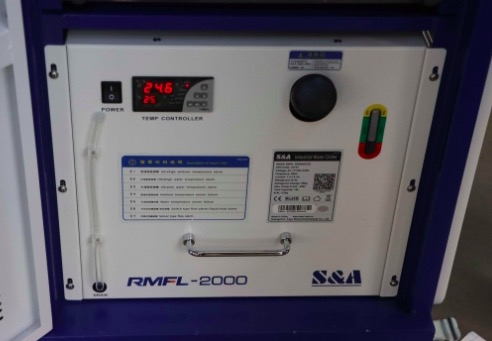
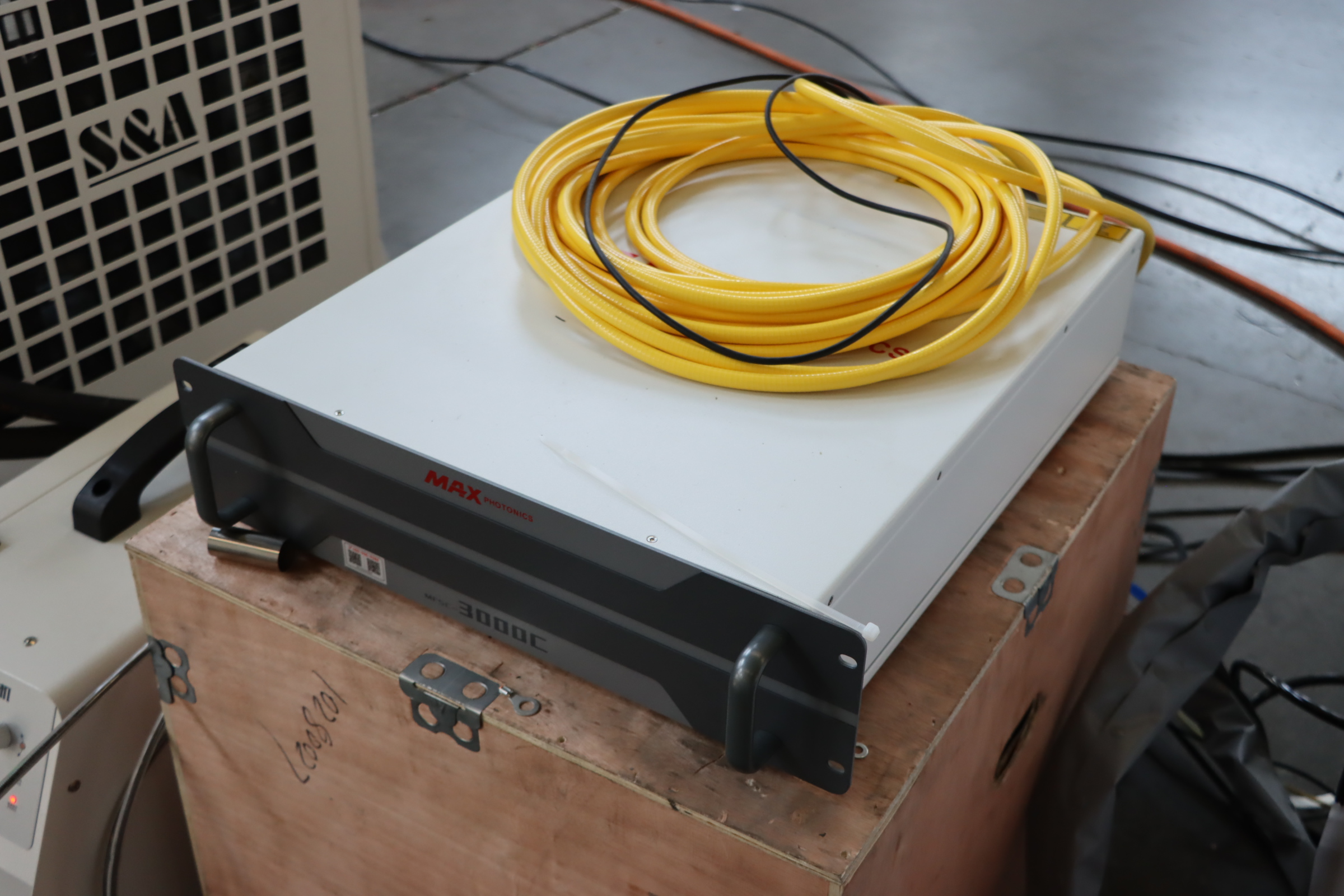
A 20KW fiber laser machine is not merely an incremental upgrade from 12KW or 15KW systems. It demands a fundamentally re-engineered optical path, robust thermal management, and a machine bed with exceptional rigidity to maintain ±0.03 mm positioning accuracy under the immense forces of high-speed cutting. These machines now serve applications previously considered the exclusive domain of waterjet or plasma systems.
Data Analysis: Market Segmentation and Machine Capabilities
The table below presents a comparative snapshot of 20KW fiber laser cutting systems relative to other cutting technologies, based on aggregated industry data and specifications from leading OEMs.
| Parameter | 20KW Fiber Laser | 12KW Fiber Laser | Plasma (200A) | Oxy-Fuel (3-inch) |
|-----------|------------------|------------------|---------------|-------------------|
| Max. Carbon Steel Thickness | 50 mm (high quality) | 30 mm | 50 mm (low edge quality) | 75 mm (high dross) |
| Max. Stainless Steel | 30 mm | 20 mm | 12 mm | Not recommended |
| Max. Aluminum | 25 mm | 16 mm | 20 mm | Not recommended |
| Cutting Speed (6 mm CS) | 12 m/min | 8 m/min | 4 m/min | 0.5 m/min |
| Kerf Width | 0.3–0.5 mm | 0.3–0.5 mm | 1.5–3.0 mm | 2.0–4.0 mm |
| Operating Cost (per meter, 6 mm CS) | $0.12 | $0.15 | $0.08 | $0.06 |
| Heat-Affected Zone (HAZ) |<0.2 mm |<0.2 mm | 1.0–2.5 mm | 3.0–5.0 mm |
| Initial System Cost (est.) | $180,000–$250,000 | $120,000–$170,000 | $60,000–$90,000 | $30,000–$50,000 |
Interpretation of the Data
The table illustrates a clear trade-off between capital expenditure and operational benefits. The 20KW fiber laser offers an order-of-magnitude improvement in cutting speed for thin-to-mid gauge materials (6 mm carbon steel at 12 m/min versus 4 m/min for plasma and 0.5 m/min for oxy-fuel). This speed advantage directly translates to higher throughput per unit of floor space. Moreover, the kerf width of 0.3–0.5 mm versus 1.5–3.0 mm for plasma means material savings of 5–12% per part, a non-trivial factor in high-volume production.
However, the operating cost per meter for 20KW fiber lasers ($0.12) is higher than plasma ($0.08) and oxy-fuel ($0.06), primarily due to electricity consumption and consumable costs (nozzles, protective lenses, and assist gases). This cost disadvantage is offset by the superior edge quality and reduced secondary processing—grinding, deburring, and straightening. The HAZ of<0.2 mm for fiber laser compared to 1.0–2.5 mm for plasma means that heat distortion is virtually eliminated, a critical factor for parts requiring tight tolerances.
Geographically, the adoption of 20KW machines is concentrated in East Asia, particularly China, South Korea, and Japan, where shipbuilding, heavy equipment, and automotive frame manufacturing are major
Get a Quote
Regardless of whether you require general advice or specific support, we are happy to help you.
Recent Post
-
 Robotic Arm Laser Systems: Redefining Precision and Flexibility in Industrial ManufacturingAbstractThe integration of robotic arms with laser processing technologies represents a paradigm s...2026-07-06 16:30:57
 -
 The Ultimate Guide to High-Performance Fiber Laser Metal Cutting MachinesIntroductionFiber laser metal cutting machines have revolutionized the manufacturing industry with...2025-06-24 19:56:52
 -
 Understanding the Key Differences Between Fiber Laser and CO2 LaserIn the world of laser cutting and engraving, two types of lasers dominate the industry fiber laser...2025-03-30 09:31:59
 -
 The Ultimate Guide to Programmable Laser Cutters Revolutionizing Precision and EfficiencyIntroductionIn the realm of modern manufacturing and design, programmable laser cutters have emerg...2025-03-29 09:32:00
 -
 The Ultimate Guide to Steel Laser Cutting Techniques, Benefits, and ApplicationsIntroductionSteel laser cutting has revolutionized the manufacturing and fabrication industries, o...2025-03-24 08:31:07
 -
 Why Choose Roclas Fiber Laser Cutting for PED Components?IntroductionLaser cutting technology has revolutionized metal fabrication, offering unmatched prec...2025-06-16 07:49:19