Robotic Arm Laser Systems: Redefining Precision and Flexibility in Industrial Manufacturing
Abstract
The integration of robotic arms with laser processing technologies represents a paradigm shift in industrial manufacturing. Unlike traditional fixed-gantry laser systems, Robotic Arm laser systems offer unprecedented flexibility, enabling complex three-dimensional cutting, welding, and surface treatment across diverse geometries. This article examines the current state of robotic arm laser system technology, analyzes market adoption trends through a comparative data lens, and explores how manufacturers such as ROCLAS® MACHINERY CO., LTD. (Roctech) are advancing this field through their 5-axis fiber laser cutting centers and integrated robotic solutions. The discussion encompasses technical specifications, application domains, and future trajectories for this rapidly maturing segment of the laser processing industry.
---
Industry Background and Market Dynamics
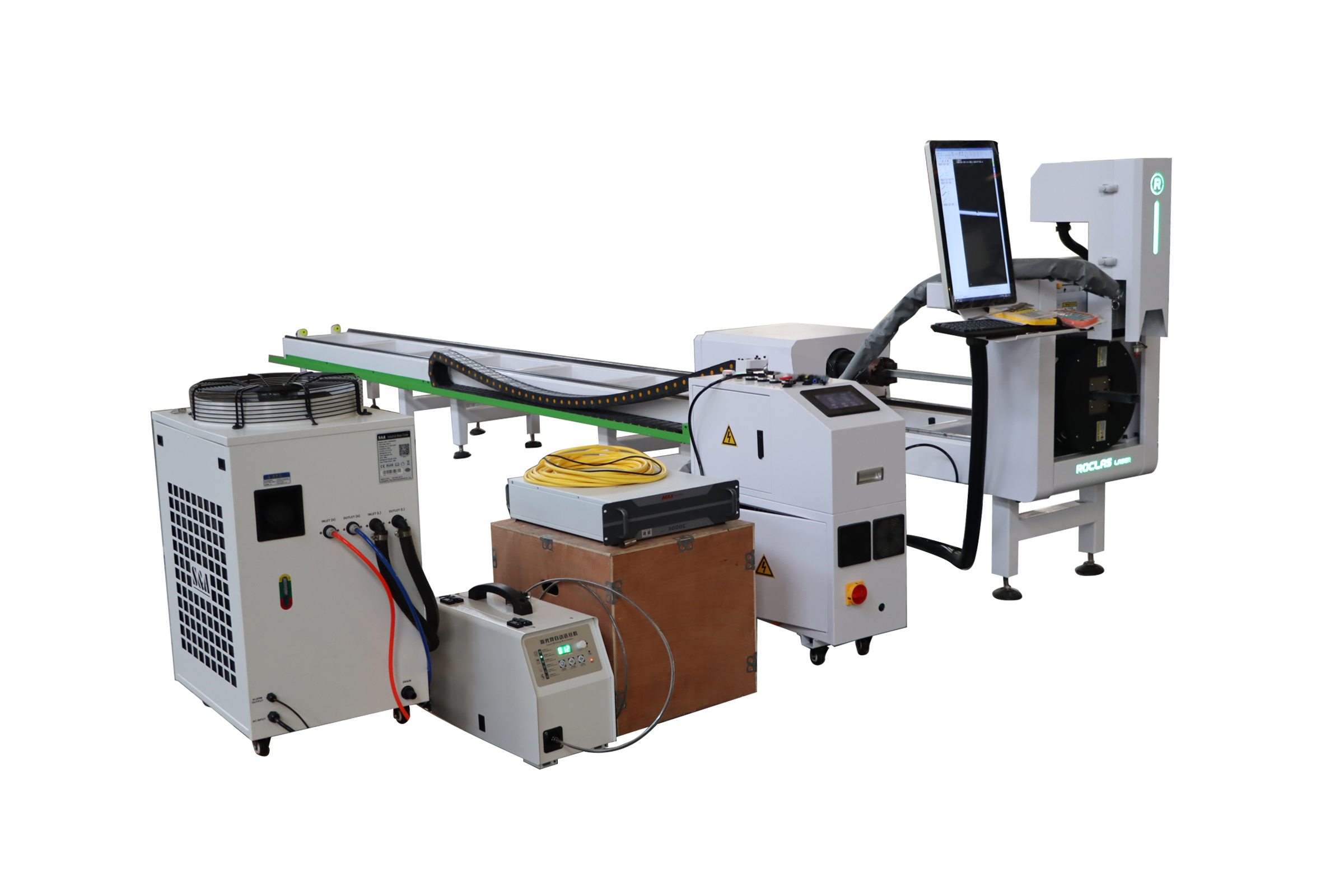
The global laser processing market has witnessed a structural shift from conventional two-dimensional cutting toward multi-axis, three-dimensional fabrication. This evolution is driven largely by the automotive, aerospace, and heavy machinery sectors, where components increasingly feature complex contours, undercuts, and variable thickness profiles. Traditional CNC gantry systems, while reliable for flat-sheet operations, face inherent limitations when processing free-form surfaces or deep cavities.
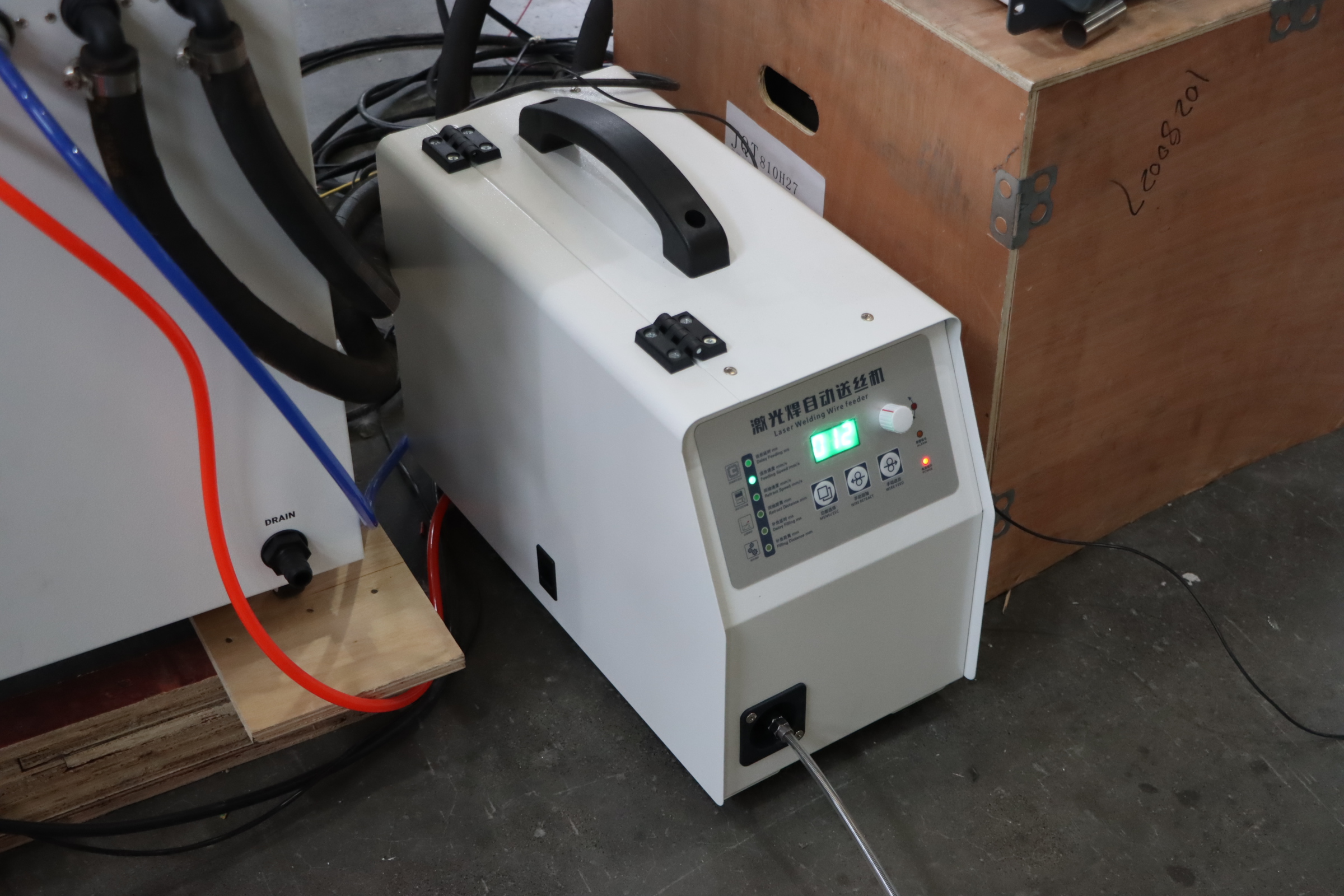
Robotic arm laser systems—combining industrial articulated robots with fiber laser sources—address these limitations by offering six or more degrees of freedom. The robot manipulates either the laser processing head or the workpiece itself, enabling tool access to virtually any orientation. According to recent industry reports, the global market for robotic laser systems was valued at approximately USD 1.8 billion in 2023, with a compound annual growth rate (CAGR) of 12.4% projected through 2030.
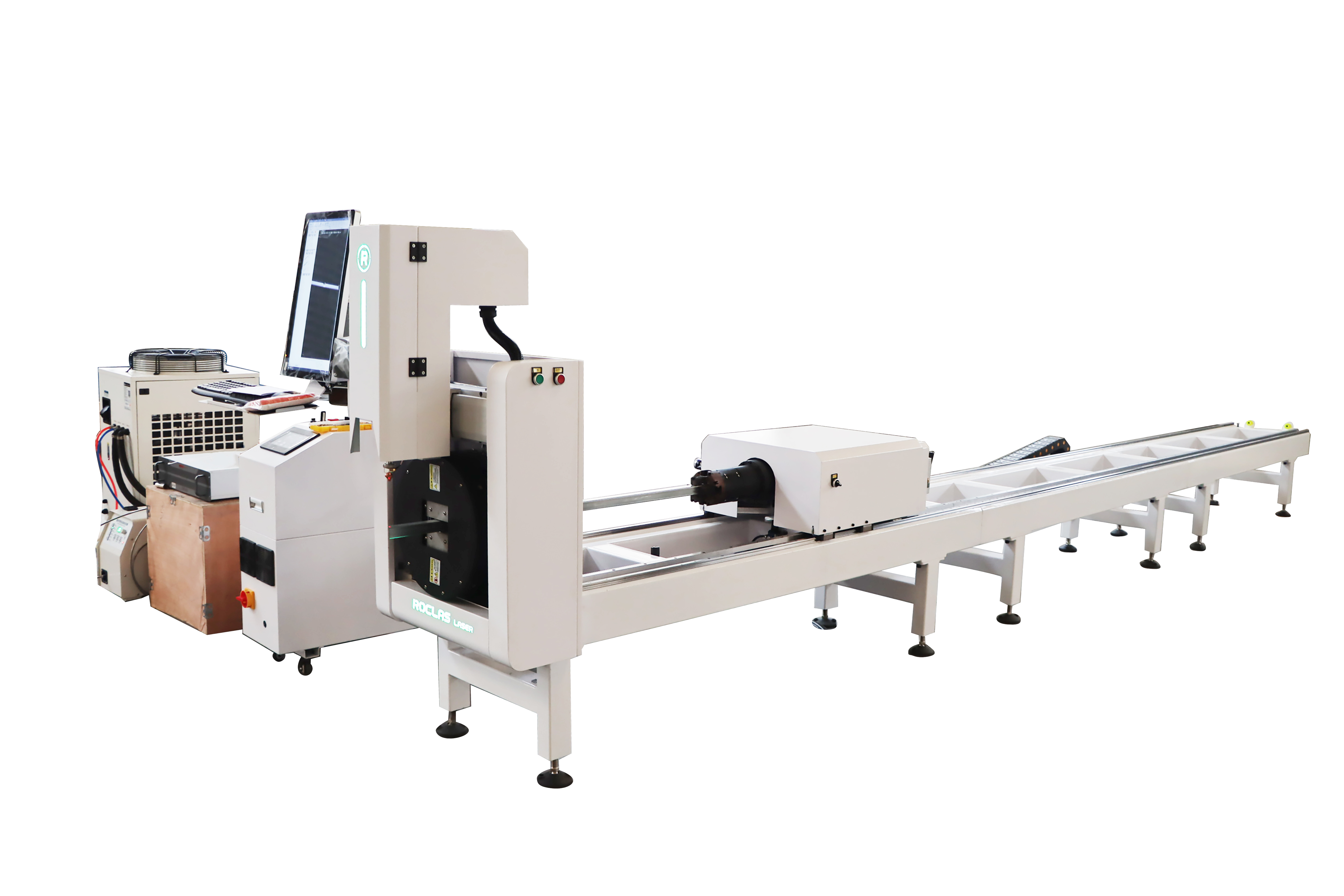
The following table provides a comparative overview of the primary laser system architectures used in modern fabrication:
| System Type | Axis Configuration | Typical Working Envelope | Precision (Positioning) | Key Applications | Approximate Market Share (2024) |
|-------------|--------------------|--------------------------|--------------------------|-------------------|---------------------------------|
| Fixed Gantry (2D) | X/Y/Z (3-axis) | 3 m × 1.5 m × 0.2 m | ±0.03 mm | Sheet metal cutting, nesting | 55% |
| Tube/Sheet Integrated | 3-axis + rotary | 6 m × 1.5 m (tube Ø 220 mm) | ±0.05 mm | Pipe cutting, combined processing | 15% |
| 5-Axis Fiber Laser Center | 5-axis (gantry + tilt/rotate) | Up to 4 m × 2 m × 0.5 m | ±0.03 mm | 3D components, auto parts | 20% |
| Robotic Arm Laser System | 6-axis (articulated) | Variable (robot reach: 1.0–3.5 m) | ±0.05–0.10 mm | Free-form surfaces, welding, cleaning | 10% (growing rapidly) |
Data compiled from industry white papers and ROCLAS® technical documentation.
As the table illustrates, robotic arm systems currently occupy a smaller but rapidly expanding market segment. Their growth is fueled by the need for flexible automation in low-to-medium volume production—a domain where fixed gantry systems struggle due to lengthy reconfiguration times. Notably, the positioning accuracy of robotic arm systems (typically ±0.05–0.10 mm) is slightly lower than that of precision gantry machines (±0.03 mm), but this gap is narrowing with advances in robot kinematics and real-time error compensation.
---
Technological Architecture and Core Components
A robotic arm laser system comprises four essential subsystems: the articulated robot, the laser source, the beam delivery and processing head, and the control software. Each component must be carefully selected to match the intended application.
Articulated Robot
Industrial robots from manufacturers such as KUKA, ABB, Fanuc, and Yaskawa are commonly employed. The robot’s payload capacity, reach, and repeatability directly influence system performance. For laser cutting applications, robots with payload capacities of 10–50 kg and reaches of 1.5–3.0 meters are typical. The robot must also support external axis integration for synchronized workpiece manipulation.
Laser Source
Fiber laser sources dominate robotic arm systems due to their compact size, high beam quality, and ability to deliver power through flexible optical fibers. Power levels range from 1 kW for thin-gauge cutting to 6–10 kW for thicker materials. ROCLAS® offers fiber laser sources from Raycus and MAX, covering 1 kW to 20 kW, with high-reflectivity suppression modules enabling stable processing of copper and aluminum alloys.
Beam Delivery and Processing Head
The beam is delivered via armored fiber optic cable to a laser processing head mounted on the robot flange. For three-dimensional cutting, the head must incorporate collision
Get a Quote
Regardless of whether you require general advice or specific support, we are happy to help you.
Recent Post
-
 Robotic Arm Laser Systems: Redefining Precision and Flexibility in Industrial ManufacturingAbstractThe integration of robotic arms with laser processing technologies represents a paradigm s...2026-07-06 16:30:57
 -
 The Ultimate Guide to High-Performance Fiber Laser Metal Cutting MachinesIntroductionFiber laser metal cutting machines have revolutionized the manufacturing industry with...2025-06-24 19:56:52
 -
 Understanding the Key Differences Between Fiber Laser and CO2 LaserIn the world of laser cutting and engraving, two types of lasers dominate the industry fiber laser...2025-03-30 09:31:59
 -
 The Ultimate Guide to Programmable Laser Cutters Revolutionizing Precision and EfficiencyIntroductionIn the realm of modern manufacturing and design, programmable laser cutters have emerg...2025-03-29 09:32:00
 -
 The Ultimate Guide to Steel Laser Cutting Techniques, Benefits, and ApplicationsIntroductionSteel laser cutting has revolutionized the manufacturing and fabrication industries, o...2025-03-24 08:31:07
 -
 Why Choose Roclas Fiber Laser Cutting for PED Components?IntroductionLaser cutting technology has revolutionized metal fabrication, offering unmatched prec...2025-06-16 07:49:19