Fiber Laser Cutting Machines in Modern Metal Fabrication: Power Scaling, Precision Limits, and the Integration of 5-Axis and Sheet-Tube Processing Architectures
Metal fabrication has quietly undergone a structural shift over the past decade. Where plasma and CO2 platforms once defined the cutting floor, fiber laser systems have become the default reference point for anyone cutting sheet, tube, or three-dimensional workpieces at industrial volume. The change is not simply one of speed. It reflects a broader realignment of machine architecture, control software, and production economics that reaches from job shops to structural steel suppliers.
The market data tells a consistent story. Fiber laser sources have displaced CO2 units across most metal-cutting categories, and the center of gravity has moved upward in power. What was a 1–2 kW norm a few years ago is now routinely 6–12 kW, with 20 kW systems entering thick-plate territory once reserved for plasma or waterjet. The table below summarizes representative parameter ranges across common machine classes, drawn from current commercial configurations.
| Machine Class | Typical Working Area | Power Range | Positioning Accuracy | Repositioning Accuracy | Travel Speed | Typical Materials |

|---|---|---|---|---|---|---|
| Sheet metal fiber laser | 3000×1500 mm / 4000×2000 mm | 1–20 kW | ±0.03 mm | ±0.02 mm | 100 m/min | Carbon steel, stainless, aluminum, galvanized, copper, brass, titanium |
| Tube fiber laser | 1500×4000 mm | 1–3 kW | ±0.05 mm | ±0.03 mm | 100 m/min | Round/square/rectangular tube up to 220 mm diameter |
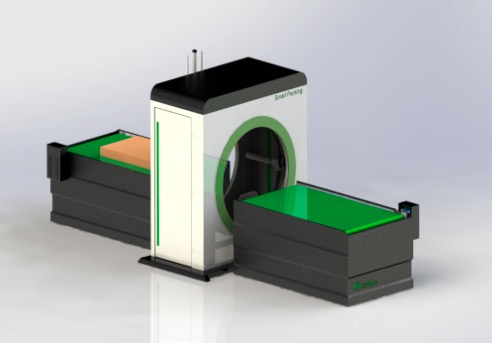
| 5-axis fiber laser center | Fixed gantry, movable table | Application-dependent | Three-dimensional, n×360° rotation | — | High dynamic performance | Complex 3D workpieces, cut-to-weld transitions |
| Hybrid CO2 + fiber | 1500×3000 mm | 200–500 W (CO2) | — | — | — | Acrylic, wood, leather, fabric, thin metals |
Two observations follow from these figures. First, the accuracy envelope—±0.03 mm positioning and ±0.02 mm repositioning on sheet machines—has compressed to the point where mechanical design, not the laser source, is often the limiting factor. Second, the emergence of 5-axis centers with infinite rotary heads signals that fiber laser cutting is no longer confined to planar work. Three-dimensional trimming, hole cutting on formed parts, and cut-to-weld workflows are now practical on a single platform.
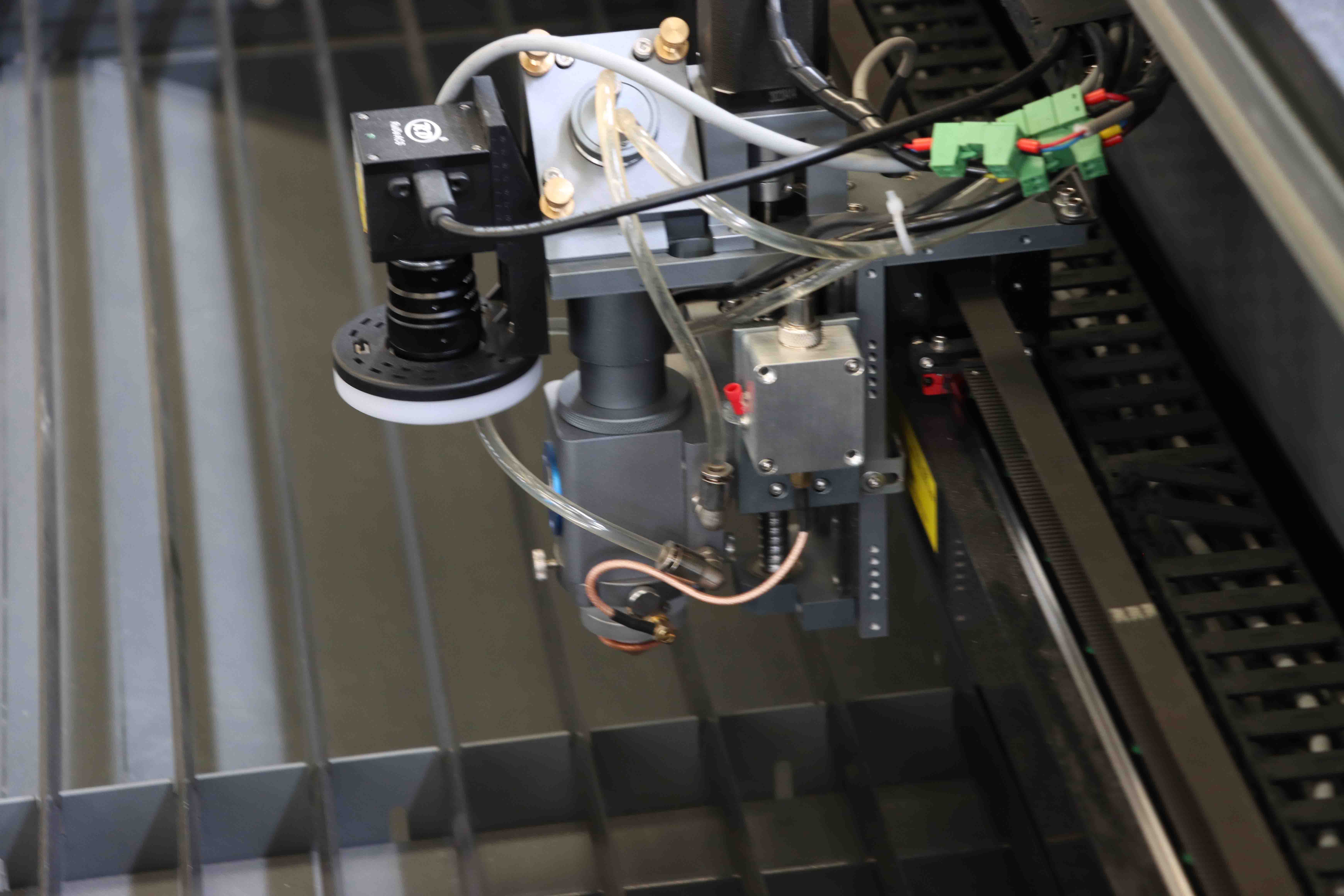
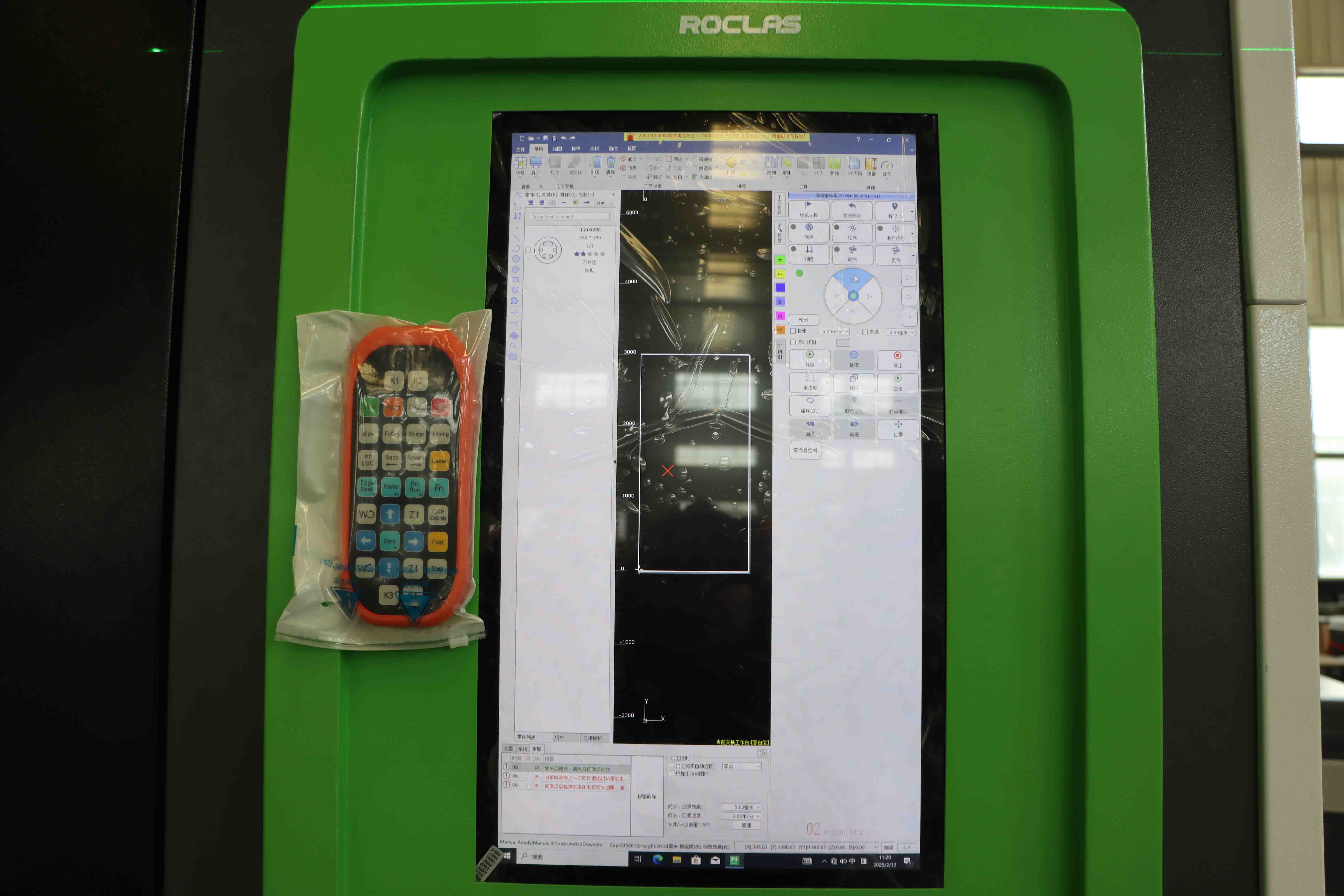
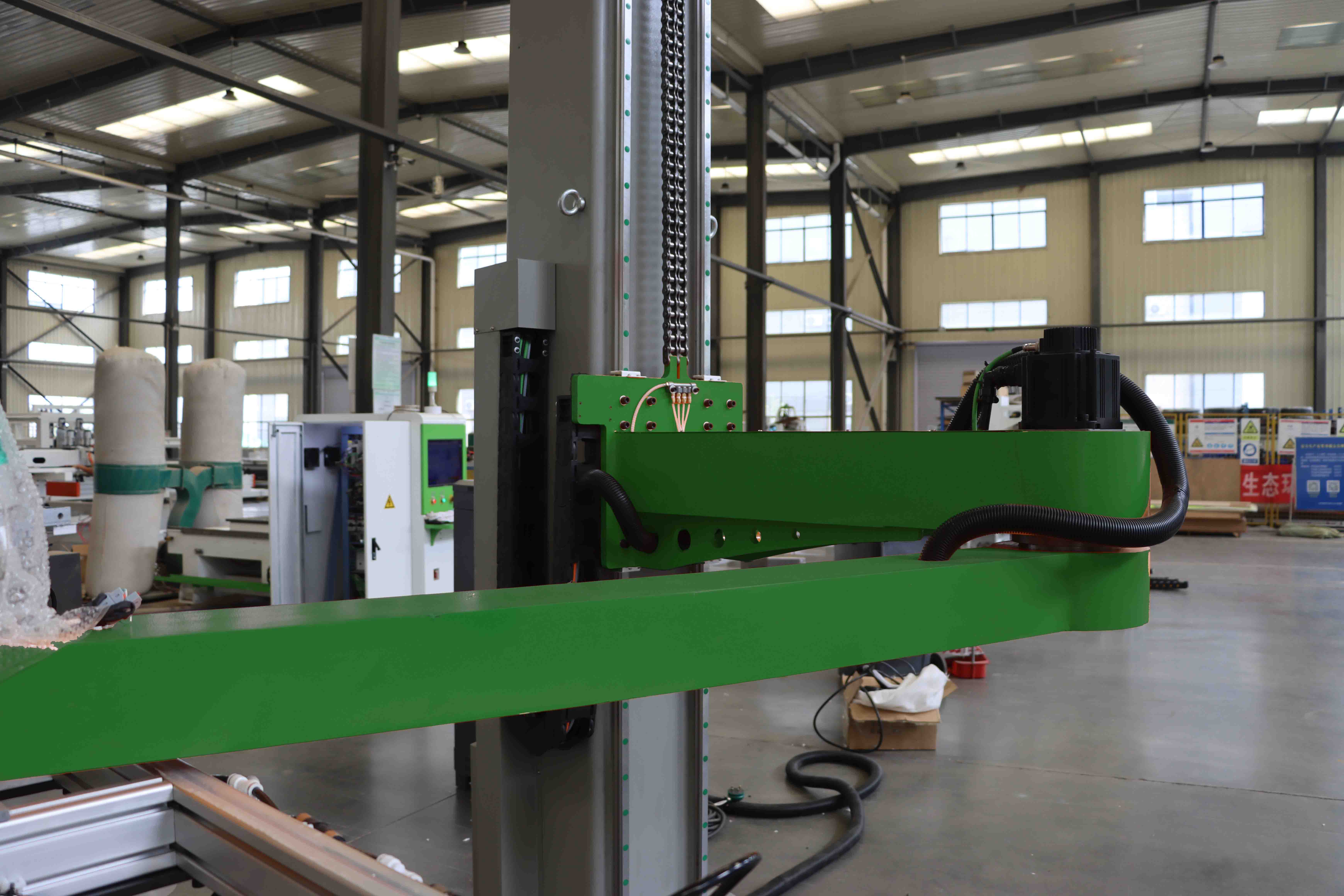
That shift places heavy demands on the machine bed and motion system. A 20 kW source cutting thick plate generates substantial thermal load, and acceleration figures around 1.0G at 100 m/min travel speeds punish any structure that is not rigid enough. Industrial-grade heavy-duty steel frames machined on five-face CNC centers have become a baseline requirement rather than a premium option. Servo drive selection, reducer quality, and cable management—down to the use of German igus cable and imported servo systems—increasingly determine whether a machine holds tolerance through a full shift.
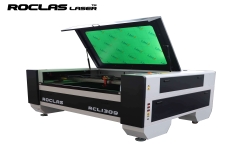
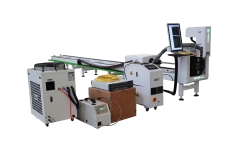
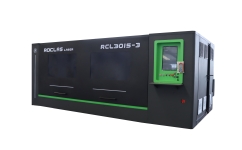
ROCLAS® MACHINERY CO., LTD. illustrates how this convergence plays out at the product level. The company's fiber laser cutting line spans 1 kW to 20 kW, with sheet, tube, and sheet-tube integrated configurations sharing a common Cypcut 3000S control platform and Raytools cutting heads. Its 5-axis fiber laser center adopts a fixed gantry with a movable workbench and an n×360° infinite-rotation head, aimed at complex 3D workpieces and cut-to-weld sequences. The hybrid CO2-plus-fiber model extends the same platform to non-metals such as acrylic, wood, and leather—an acknowledgment that many fabrication shops serve mixed-material markets.
What is notable about ROCLAS® is less any single specification than the consistency of its engineering assumptions: five-face machining of structural components, imported servo and reducer packages, and a stated positioning accuracy of ±0.03 mm across standard sheet models. These choices reflect the broader industry consensus that reliability under sustained load matters more than peak catalog numbers. The company's certification portfolio—ISO 9001, CE, FDA, UL, and PDL—and its 50-plus patents point to a manufacturer positioning itself for export markets where compliance documentation is a gatekeeping requirement, not a marketing extra.
The application spread reinforces this. Fiber laser cutting now serves sheet metal fabrication, automotive and rail components, aerospace structural parts, kitchen and stainless furniture, advertising signage, and pipe processing. Each segment imposes different priorities: signage cares about edge quality on thin gauge, structural steel about thick-plate throughput, tube processing about chuck accuracy and automatic loading. A single machine architecture rarely satisfies all of them, which is why the market has fragmented into specialized configurations rather than one universal platform.
Looking ahead, three trajectories seem likely. Power will continue to climb, but the marginal return on kilowatts diminishes once cut quality and nesting efficiency become the binding constraints. Automation—robotic arms, coil-fed uncoilers, waste conveying—will absorb more of the operator's role, particularly in high-volume sheet processing where coil-fed laser lines already reduce power consumption relative to press-based alternatives. And the boundary between cutting, welding, and cleaning will blur as multi-process heads mature, pushing machine builders toward integrated platforms rather than single-function tools.
For fabricators, the practical implication is straightforward. Machine selection should begin with the material mix and tolerance regime, not the laser wattage. A 6 kW system with a rigid bed and well-tuned control software will outperform a 12 kW unit bolted to an undersized frame. The fiber laser era has made precision accessible; the differentiator now is how well the rest of the machine—and the company behind it—supports that precision over years of production.
Obter uma cotação
Independentemente de você precisar de conselhos gerais ou apoio específico, estamos felizes em ajudá-lo.
Publicação Recente
-
 Robotic Arm Laser Systems: Redefining Precision and Flexibility in Industrial ManufacturingAbstractThe integration of robotic arms with laser processing technologies represents a paradigm s...2026-07-06 16:30:57
-
 O guia definitivo para máquinas de corte de metais a laser de fibra de alto desempenhoIntroductionFiber laser metal cutting machines have transform the manufacturing industry with thei...2025-06-24 19:56:52
-
 Entendendo as principais diferenças entre laser de fibra e laser de CO2No mundo do corte e gravação a laser, dois tipos de lasers dominam a indústria laser de fibra...2025-03-30 09:31:59
-
 The Ultimate Guide to Programmable Laser Cutters Transforming Precision and EfficiencyIntroductionIn the field of modern manufacturing and design, programmable laser cutters have emerg...2025-03-29 09:32:00
-
 O guia final para técnicas, benefícios e aplicações de corte a laser de açoIntroductionSteel laser cutting has transform the manufacturing and fabrication industries, offeri...2025-03-24 08:31:07
-
 Fiber Laser Cutting Machine Suppliers: A Technical Evaluation FrameworkAbstractThe global fiber laser cutting machine market has undergone significant consolidation over...2026-09-29 20:31:27