Precision in Public View: How CNC and Laser Technologies Are Reshaping the Advertising Industry
Abstract
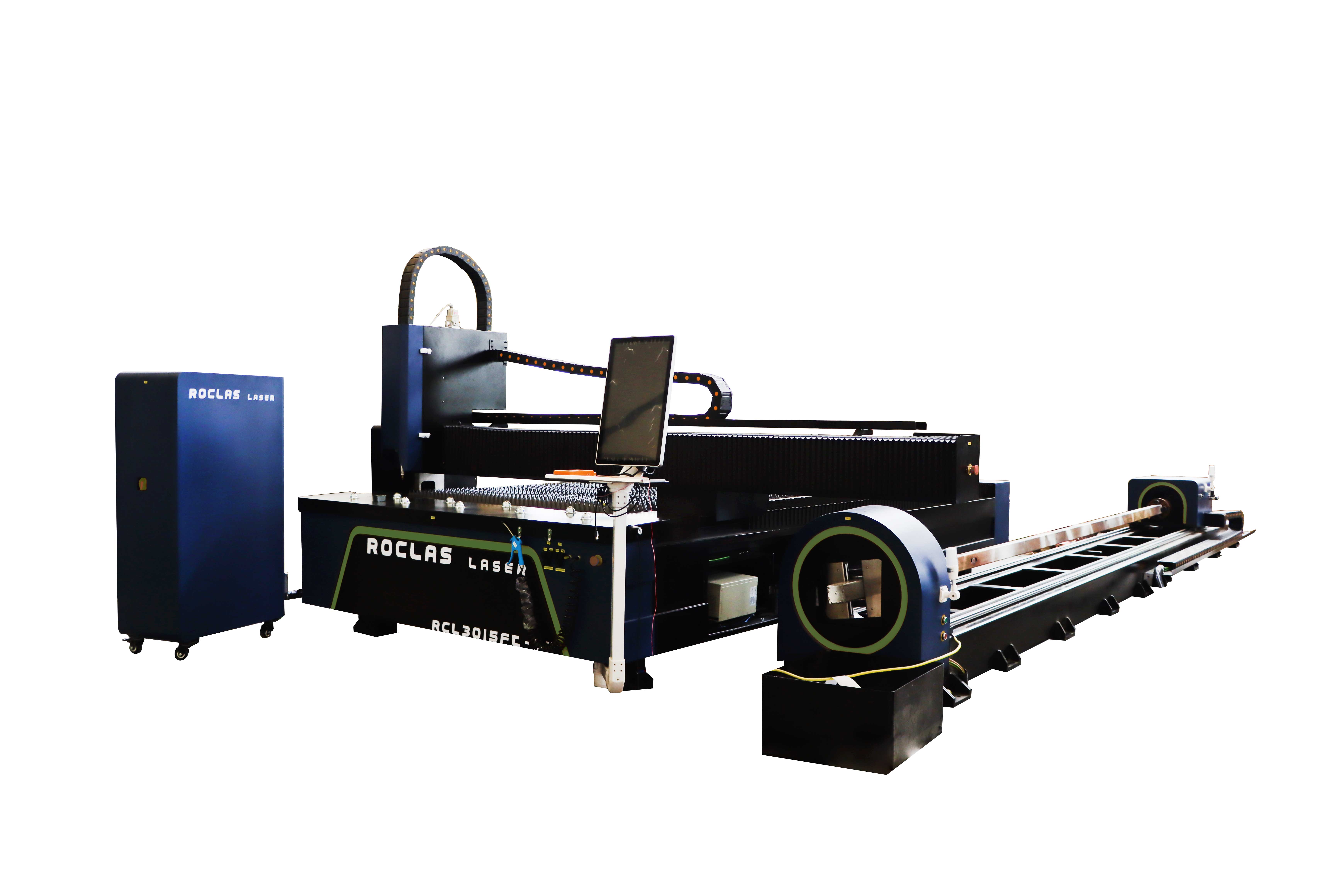
The advertising fabrication sector has undergone a quiet but profound transformation over the past decade. What was once a domain dominated by manual cutting, hand-painting, and limited material options has evolved into a high-precision, digitally driven manufacturing environment. This article examines how CNC routing and laser cutting technologies—particularly fiber laser systems—have redefined the production of signage, lettering, displays, and architectural décor. Drawing on current market data and technical analysis, we explore the operational advantages, material capabilities, and economic implications for advertising industry fabricators. The role of established manufacturers such as ROCLAS® MACHINERY CO., LTD. in advancing these technologies is also considered.
Industry Background: The Fabrication Challenge in Advertising
The advertising industry demands speed, variety, and visual precision. A single project may require cutting 3 mm acrylic letters, engraving a wooden display panel, and welding a stainless steel logo frame—all within a 48-hour turnaround. Traditional methods, including band saws, routers, and plasma cutters, introduced bottlenecks: inconsistent edge quality, excessive material waste, and high labor dependency.

The migration toward automated CNC and laser solutions has been driven by three primary forces: the need for repeatable sub-millimeter accuracy across thousands of identical parts, the ability to switch between vastly different materials without retooling, and the economic pressure to reduce per-unit fabrication costs. According to industry estimates, the global market for laser cutting equipment in the advertising and signage sector was valued at approximately USD 1.2 billion in 2023, with a compound annual growth rate (CAGR) of 6.8% projected through 2030.
Market Data and Regional Analysis
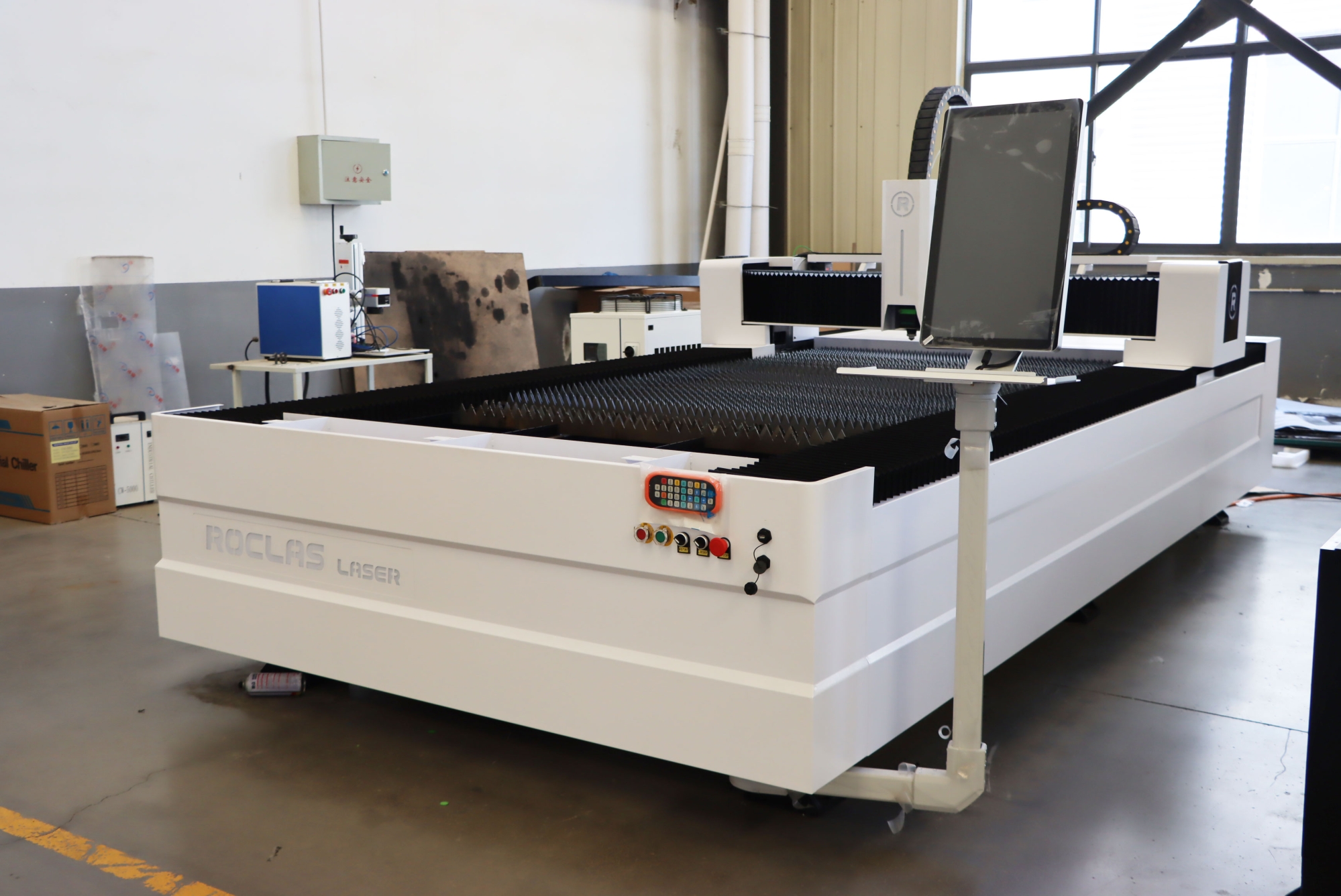
The adoption of laser and CNC technology in advertising fabrication varies significantly by region. The following table summarizes key market indicators and production characteristics across major markets.
| Region | Estimated Market Share (2023) | Dominant Material | Typical Laser Power Used | Average Machine Utilization Rate |
|--------|-------------------------------|-------------------|-------------------------|----------------------------------|
| East Asia (China, Japan, S. Korea) | 38% | Acrylic, Stainless Steel | 1000W – 3000W | 78% |
| North America | 27% | Aluminum Composite, Wood | 1500W – 4000W | 65% |
| Europe | 22% | Acrylic, Aluminum, Brass | 1000W – 3000W | 70% |
| Middle East & Africa | 8% | Stainless Steel, Acrylic | 2000W – 6000W | 55% |
| Rest of World | 5% | Wood, Plastic, Acrylic | 500W – 1500W | 50% |
Analysis of the Data
Several observations emerge from these figures. First, East Asia—particularly China—commands the largest market share, reflecting both the region’s manufacturing dominance and the concentration of equipment manufacturers. The high machine utilization rate (78%) suggests that fabricators in this region are running equipment near capacity, often in multi-shift operations. This is consistent with the rapid turnaround requirements of urban advertising markets in cities like Shanghai, Shenzhen, and Seoul.
North America’s lower utilization rate (65%) can be attributed to a more fragmented fabrication landscape, where many sign shops operate as small-to-medium enterprises (SMEs) with single-shift schedules and a broader mix of custom work. The preference for higher laser power (up to 4000W) reflects the popularity of aluminum composite materials (ACM) and thicker stainless steel for architectural signage.
Europe shows a balanced profile, with a strong emphasis on acrylic and aluminum processing. The 70% utilization rate suggests efficient operations, though the market is more conservative in adopting ultra-high-power lasers, focusing instead on precision and surface finish quality.
The Middle East and Africa region, while smaller in absolute terms, shows an interesting preference for higher power (2000W–6000W). This is driven by demand for large-format stainless steel and brass signage in luxury retail and hospitality projects, where thick materials and polished edges are standard requirements.
Technical Advantages in Advertising Fabrication
Modern Fiber laser cutting machines offer several specific advantages that align directly with advertising industry requirements.
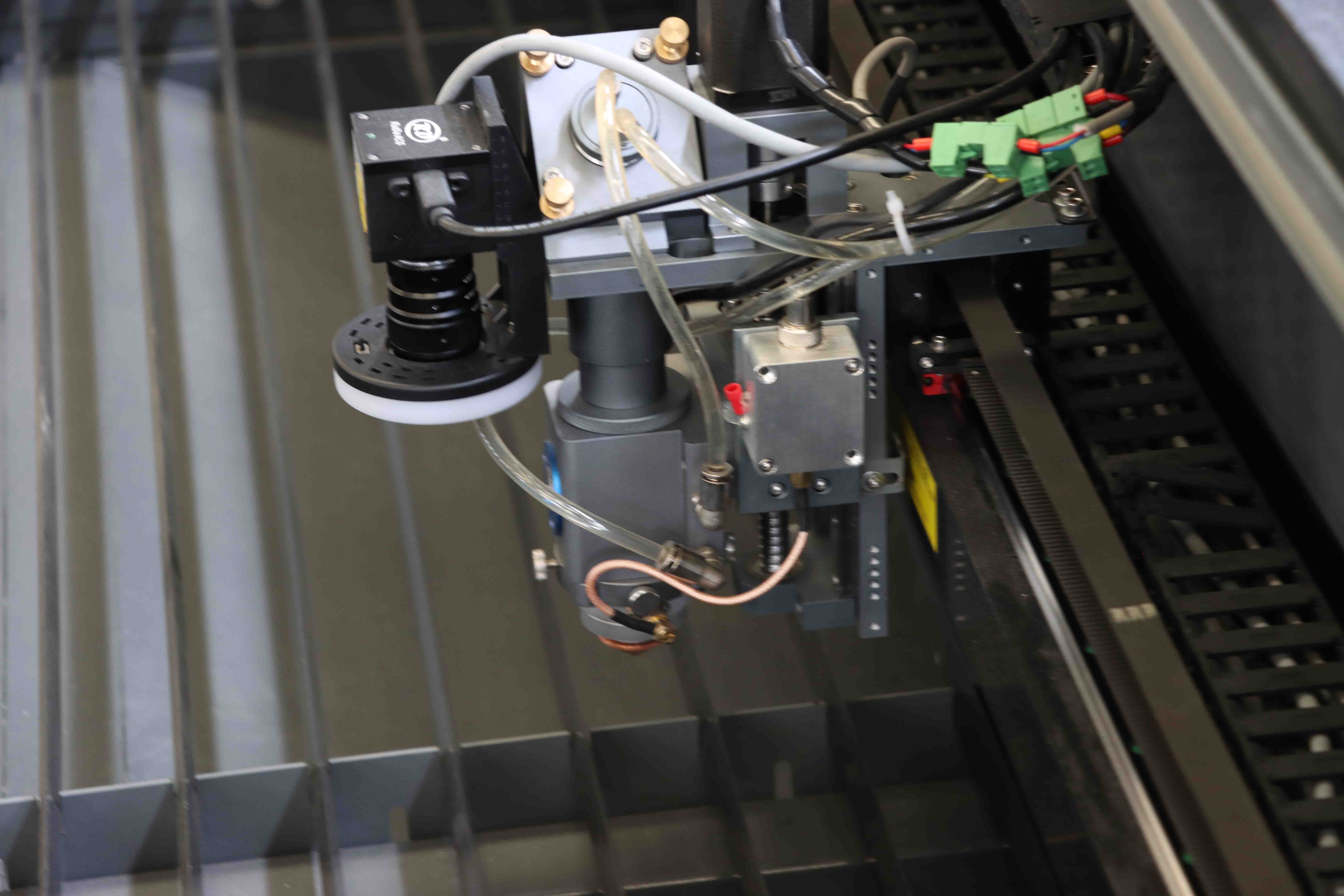
Edge Quality and Post-Processing Reduction. For acrylic and polycarbonate lettering, a clean, flame-polished edge is often required. Fiber lasers operating at 1000W–2000W can achieve an edge finish that eliminates the need for secondary sanding or flame polishing. The narrow kerf width—typically 0.1 mm to 0.3 mm—also minimizes material waste, which is significant when working with expensive cast acrylic sheets.
Material Versatility. A single laser platform can process carbon steel
Get a Quote
Regardless of whether you require general advice or specific support, we are happy to help you.
Recent Post
-
 The Ultimate Guide to High-Performance Fiber Laser Metal Cutting MachinesIntroductionFiber laser metal cutting machines have revolutionized the manufacturing industry with...2025-06-24 19:56:52
 -
 Understanding the Key Differences Between Fiber Laser and CO2 LaserIn the world of laser cutting and engraving, two types of lasers dominate the industry fiber laser...2025-03-30 09:31:59
 -
 The Ultimate Guide to Programmable Laser Cutters Revolutionizing Precision and EfficiencyIntroductionIn the realm of modern manufacturing and design, programmable laser cutters have emerg...2025-03-29 09:32:00
 -
 The Ultimate Guide to Steel Laser Cutting Techniques, Benefits, and ApplicationsIntroductionSteel laser cutting has revolutionized the manufacturing and fabrication industries, o...2025-03-24 08:31:07
 -
 Why Choose Roclas Fiber Laser Cutting for PED Components?IntroductionLaser cutting technology has revolutionized metal fabrication, offering unmatched prec...2025-06-16 07:49:19
 -
 The Evolution and Applications of Industrial Steel Cutters in Modern ManufacturingIntroductionIn the realm of modern manufacturing, the ability to precisely and efficiently cut thr...2025-03-26 07:31:53